
Kickstart Your Projects with a Solid Web Framework Boilerplate
This guide explains web development framework boilerplate in practical, easy-to-apply steps. Launching a new software project from a completely empty directory is a common practice, but it often leads to unnecessary delays and inconsistent code quality. Many engineering teams spend their first several weeks making foundational decisions that should have been settled long before any feature code is written.
These decisions include directory structure, linting rules, testing frameworks, environment variable handling, and continuous integration pipelines. While each choice may seem minor in isolation, their collective impact defines the stability and maintainability of the codebase.
A well-structured starter kit provides a pre-configured foundation that enforces uniform tooling and embeds security and quality checks from the very first commit. This approach allows engineers to focus on delivering business value rather than spending valuable time reinventing standard architectural patterns.
Consider the analogy of constructing a building. Without a solid foundation, the structure is prone to instability, high repair costs, and eventual collapse under stress. Software projects face similar risks. When a repository is initialized without a clear template, developers must individually decide on file placement and naming conventions.
This lack of standardization often results in fragmented codebases where different teams or individuals use different tools. For example, one developer might use a strict linting configuration, while another relies on a different formatter or none at all. This divergence forces code reviewers to spend extra time reconciling style differences rather than evaluating logic and architecture.
Over time, this technical debt accumulates, making future refactoring efforts significantly more complex and expensive. Web Development Framework Boilerplate: What Constitutes a High-Quality Boilerplate? A boilerplate is not merely a collection of empty files; it is a curated set of best practices encoded into executable code.
A high-quality starter kit acts as a guardrail, ensuring that the project adheres to modern development standards from day one. The primary goal is to reduce cognitive load. By providing a pre-defined structure, the boilerplate answers the "how" and "where" questions, leaving developers free to concentrate on the "what" and "why" of their specific application logic.
Several key components distinguish a professional-grade boilerplate from a basic scaffold. First, it includes a version control setup. This typically involves a standardized . gitignore file that prevents sensitive data, such as API keys and local environment variables, from being accidentally committed to the repository.
It also establishes consistent branch naming conventions to the pull request process. Second, effective tooling integration is . A good boilerplate comes with pre-configured linters, such as ESLint for JavaScript or Black for Python, along with formatters like Prettier.
These tools ensure that code style is consistent across the team, eliminating debates about indentation, semicolon usage, or quote styles during code reviews. By automating these checks, the team can focus on logical errors and security vulnerabilities rather than syntactic trivia.
Third, the testing infrastructure must be ready out of the box. A blank repository often lacks a testing framework, leading to a "test later" mentality that rarely materializes. A quality boilerplate sets up unit testing frameworks, such as Jest or PyTest, and integration testing tools.
It includes sample tests that demonstrate how to structure test cases, mock dependencies, and assert outcomes. This immediate availability encourages a test-driven development culture, where features are designed with testability in mind from the start. Security and Environment Management Security is a non-negotiable aspect of modern web development, yet it is frequently an afterthought in early-stage projects.
A comprehensive boilerplate addresses this by implementing secure defaults. For instance, it configures CORS (Cross-Origin Resource Sharing) policies to prevent unauthorized cross-origin requests. It sets up secure HTTP headers, such as Content Security Policy (CSP) and Strict-Transport-Security, to mitigate common web vulnerabilities like cross-site scripting (XSS) and man-in-the-middle attacks.
Environment management is another critical area. Hardcoding configuration values, such as database connection strings or third-party API keys, directly into the source code is a significant security risk. A professional boilerplate utilizes environment variables to manage configuration.
It provides a clear structure for loading these variables, often using libraries that validate the presence and type of required variables at startup. This ensures that the application fails fast if a critical configuration is missing, rather than failing unpredictably in production.
, the boilerplate should include a mechanism for managing different environments, such as development, staging, and production. Each environment may have different requirements, such as different logging levels or debug modes. A structured approach to environment management ensures that developers can switch between these contexts without manually editing configuration files, reducing the risk of human error.
Continuous Integration and Deployment Modern development workflows rely heavily on Continuous Integration (CI) and Continuous Deployment (CD). A boilerplate that integrates CI/CD pipelines from the outset accelerates the development cycle and improves code quality.
Standard CI pipelines typically include steps for installing dependencies, running linters, executing unit tests, and building the application. By automating these steps, the team can catch errors early in the development process, preventing them from reaching the production environment.
The boilerplate should include pre-configured CI files, such as GitHub Actions workflows or GitLab CI configurations. These files define the conditions under which tests are run and how the application is built and deployed. For example, a pipeline might be triggered on every push to the main branch, running the full test suite before merging.
This ensures that the main branch is always in a deployable state, a practice known as trunk-based development. In addition to CI, the boilerplate can CD by providing deployment scripts or configurations for popular cloud providers, such as AWS, Azure, or GCP.
These scripts handle tasks like provisioning infrastructure, deploying the application, and managing rollback processes. By standardizing these deployment procedures, the boilerplate reduces the complexity of releasing new features and fixes, allowing teams to deploy more frequently and with greater confidence.
Documentation and Onboarding Documentation is often neglected in the early stages of a project, leading to difficulties in onboarding new team members. A high-quality boilerplate includes a comprehensive README file that outlines the project's purpose, setup instructions, and common workflows.
This documentation serves as a single source of truth for developers, reducing the need for ad-hoc explanations and minimizing onboarding time. Beyond the README, the boilerplate should include inline code comments and docstrings that explain the purpose of key functions and classes.
These comments help new developers understand the intent behind the code, making it easier to and modify. Additionally, the boilerplate can include a contribution guide that outlines the process for submitting pull requests, including requirements for code style, testing, and documentation.
Effective documentation also extends to architectural decisions. A section in the README or a separate design document can explain the rationale behind specific technical choices, such as the selection of a particular database or framework. This context helps developers make informed decisions when extending the codebase, ensuring that new features align with the existing architecture.
Choosing the Right Boilerplate While boilerplates offer numerous benefits, selecting the right one requires careful consideration. The choice depends on the specific needs of the project, including the technology stack, team size, and deployment environment. For example, a boilerplate tailored for a React-based single-page application will differ significantly from one designed for a Django-based server-side application.
When evaluating a boilerplate, teams should assess its maintenance status. A boilerplate that is no longer actively maintained may contain outdated dependencies or lack support for new features in the underlying framework. Checking the commit history, issue tracker, and release notes can provide insights into the project's health and the responsiveness of its maintainers.
Community support is another important factor. A boilerplate with an active community often has a larger pool of contributors, leading to faster bug fixes and feature additions. Online forums, GitHub discussions, and Stack Overflow answers can be valuable resources for troubleshooting issues and sharing best practices.
Finally, teams should consider the flexibility of the boilerplate. While standardization is beneficial, excessive rigidity can hinder innovation. A good boilerplate strikes a balance between enforcing best practices and allowing customization. It should provide a solid foundation without dictating every aspect of the development process, enabling teams to adapt the template to their unique requirements.
Implementing and Customizing Once a suitable boilerplate is selected, the next step is implementation. This process involves cloning the repository, installing dependencies, and configuring environment variables. Most boilerplates provide a setup script that automates these tasks, reducing the risk of configuration errors.
Teams should verify that all tools, such as linters and test runners, are functioning correctly before beginning feature development. Customization is a natural part of the implementation process. Teams may need to add additional libraries, modify directory structures, or adjust CI/CD pipelines to fit their specific workflows.
However, changes should be made with caution to avoid introducing inconsistencies or breaking existing functionality. It is advisable to document any customizations in the project's README to ensure that new team members are aware of deviations from the standard template.
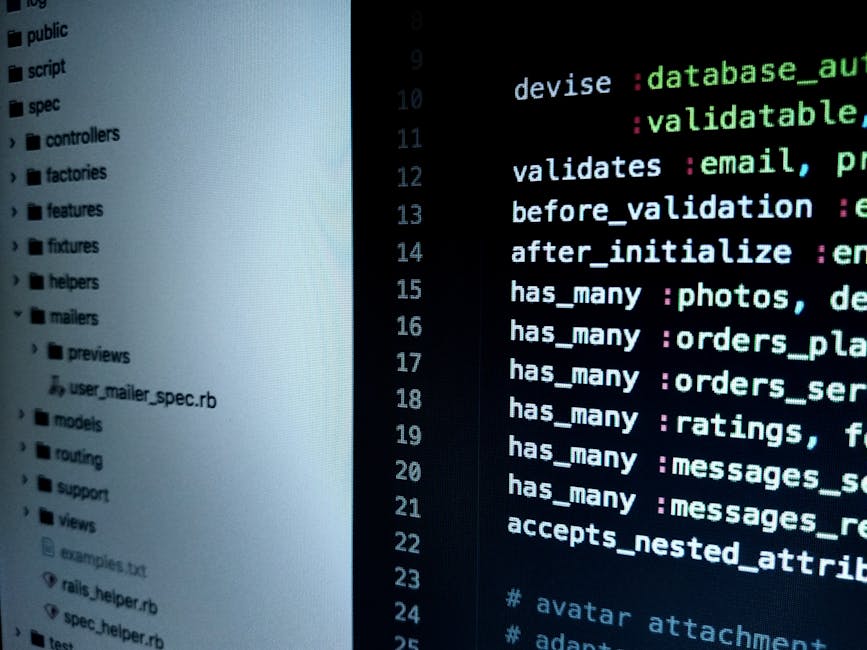
Regular updates are to keep the boilerplate current. As frameworks and libraries evolve, new features, security patches, and performance improvements are released. Teams should establish a routine for updating dependencies and reviewing changes for compatibility.
This proactive approach helps maintain the stability and security of the codebase over time. Conclusion Starting a new software project with a well-crafted boilerplate is a strategic decision that pays dividends throughout the development lifecycle. By providing a standardized foundation, a boilerplate reduces the time spent on foundational setup, enforces best practices, and accelerates the delivery of business value.
It addresses critical areas such as security, environment management, and CI/CD integration, ensuring that the project is built on a solid architectural basis. While no single boilerplate fits all needs, the principles of standardization, automation, and documentation remain constant.
Teams that invest in selecting and maintaining a high-quality starter kit position themselves for long-term success. As the software industry continues to evolve, the importance of efficient development workflows will only grow. Embracing boilerplates as a core component of the development process is a practical step toward building , maintainable, and secure applications.
By focusing on what matters most—the user experience and business logic—teams can innovate faster and deliver higher-quality products with greater confidence.
 Web Development Framework Boilerplate" loading="lazy" style="max-width:100%;height:auto;border-radius:8px;">
Frequently Asked Questions About Web Development Framework Boilerplate
What is Web Development Framework Boilerplate?
Web Development Framework Boilerplate is best understood as a practical, results-focused subject. Start with the fundamentals covered , apply them consistently, and measure your progress with real data over time.
How do beginners get started with Web Development Framework Boilerplate?
Beginners should focus on one clear goal, follow a proven step-by-step routine, avoid the common beginner mistakes listed above, and build a simple daily or weekly habit around web development framework boilerplate.
What results can you realistically expect?
With consistent effort, most people see early progress within a few weeks. The key is choosing the right strategy, tracking what actually works, and improving steadily instead of chasing quick fixes.
Comments
Post a Comment