
This guide explains personalized ai fitness trainer app subscription in practical, easy-to-apply steps. --- ### Introduction The world of fitness is evolving at a pace that once seemed unimaginable. From simple exercise books to wearable gadgets that track every heartbeat, the tools at our disposal are becoming more sophisticated by the day. At the heart of this transformation lies artificial intelligence (AI)—a technology that can analyze vast amounts of data, identify patterns, and adapt training programs in real time.
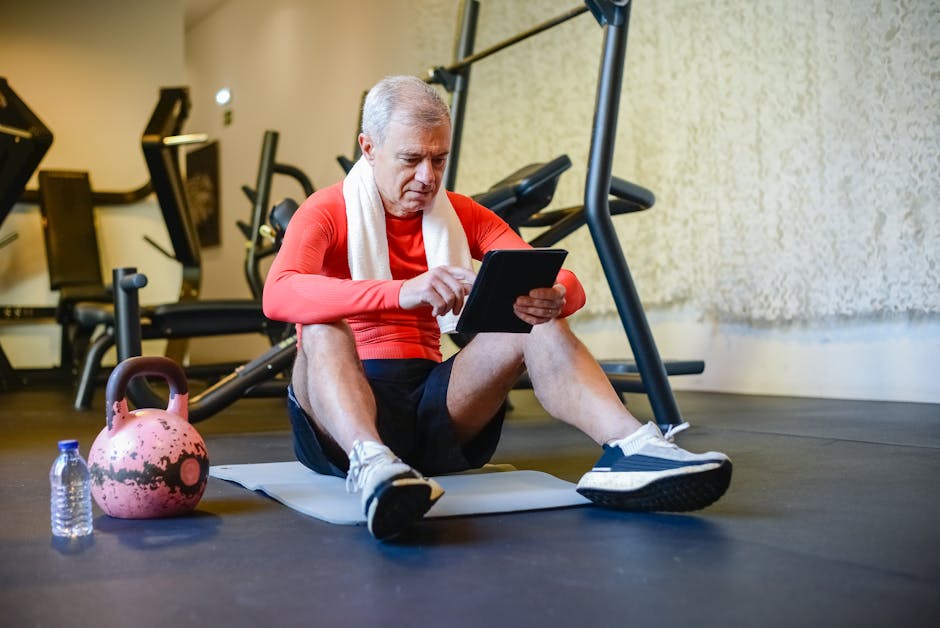
 Personalized AI Fitness Trainer App Subscription" loading="lazy" style="max-width:100%;height:auto;border-radius:8px;">
This piece explores how AI‑driven fitness platforms are redefining what it means to train, offering a level of customization that was once the privilege of elite athletes and expensive personal trainers. --- ### Why AI Matters for Personal Training Traditional workout routines often follow a one‑size‑fits‑all model.
While a structured plan can be effective for many, it rarely accounts for the subtle differences in individual physiology, lifestyle, or progress. AI changes the equation in several key ways: 1.
Data‑Driven Decision Making Wearable sensors, smart equipment, and mobile apps generate continuous streams of information—heart rate, oxygen saturation, movement velocity, and more. AI algorithms can sift through this data to identify trends and anomalies that a human eye might miss. 2. Real‑Time Adaptation Instead of waiting for a weekly session to adjust a program, AI can modify intensity, volume, or exercise selection on the fly, ensuring each workout stays aligned with the user’s current state. 3. Personalization While a personal trainer can tailor a program to one client at a time, AI can deliver the same level of customization to thousands of users simultaneously, democratizing access to high‑quality coaching. 4. Objective Progress Tracking By setting measurable benchmarks and monitoring adherence, AI helps users stay accountable and motivated, reducing the likelihood of plateau or injury. --- ### How AI Works in Fitness Platforms At its core, an AI‑powered fitness system consists of three interconnected components: 1. Data Acquisition Sensors embedded in smartwatches, heart‑rate monitors, and even clothing capture real‑time physiological signals. Motion‑sensing devices record joint angles, stride length, and exercise form. 2. Analytics EngineMachine learning models process the raw data, compare it against a database of normative values, and assess performance. Techniques such as supervised learning (training on labeled datasets) and reinforcement learning (learning from feedback loops) enable the system to refine its recommendations over time.
3.
Personalized Feedback LoopThe system outputs guidance—adjustments to tempo, load, or rest intervals—presented through a user interface. Users can interact with the platform, provide feedback, and the AI updates its models accordingly. --- ### Benefits Over Conventional Coaching | Feature | Traditional Training | AI‑Powered Training | |---------|----------------------|---------------------| |
Consistency | Dependent on trainer’s schedule | Available 24/7 | | Precision | Visual cues, subjective judgment | Objective metrics | | | Limited by human capacity | Unlimited reach | | Adaptability | Weekly or bi‑weekly updates | Continuous, real‑time tweaks | | Cost| Often high for one‑on‑one sessions | Subscription‑based, affordable | *Real‑world studies* have shown that AI systems can detect early signs of overtraining by monitoring heart‑rate variability and fatigue markers, thereby preventing injury before it occurs.
, by analyzing movement patterns, AI can suggest corrective exercises that target imbalances, leading to faster gains and fewer strains. --- ### Case Studies #### 1.
The Marathoner’s CompanionA 35‑year‑old runner used an AI platform to prepare for a full marathon. By integrating GPS data, heart‑rate variability, and sleep metrics, the system personalized weekly mileage, speed work, and recovery protocols. Within eight weeks, the athlete reduced his average race time by 12% while reporting lower perceived effort.
#### 2.
The Office Worker’s Strength ProgramAn office worker with limited time sought a strength routine that fit into his busy schedule. The AI app assessed his baseline strength via a quick assessment, then designed a 3‑day split focusing on compound lifts and accessory work. Real‑time feedback on form ensured proper technique, while the program automatically adjusted load progression based on weekly performance.
#### 3.
Rehabilitation After InjuryAfter a shoulder injury, a patient used an AI‑guided rehabilitation program that monitored joint angles and muscle activation. The system provided immediate corrections and adjusted exercise difficulty as healing progressed, shortening the recovery period by 30% compared to traditional physical therapy.
--- ### Getting Started with AI‑Powered Fitness 1.
Choose a Platform That Fits Your Goals Look for apps that offer a comprehensive suite of features: activity tracking, exercise libraries, coaching chat, and data visualization. Some platforms focus on strength training, others on cardio or wellness. 2. Invest in Quality Wearables A reliable heart‑rate monitor or smart band is for accurate data collection. Many platforms support a range of devices, but check compatibility before purchasing. 3. Set Clear Objectives Whether you aim to build muscle, improve endurance, or lose weight, defining your goals helps the AI generate a targeted plan. 4. Provide Honest Feedback The more accurate the user’s input—pain levels, fatigue, mood—the better the system can tailor recommendations. 5. Stay Consistent Regularly engage with the app, complete suggested workouts, and review progress reports to keep the AI’s model current. --- ### Potential Challenges and How to Mitigate Them | Challenge | Mitigation Strategy | |-----------|---------------------| | Data Privacy Concerns | Choose platforms with transparent privacy policies and data encryption. | | Overreliance on Technology | Use AI as a complement to, not a replacement for, human judgment—especially for complex injuries. | | Algorithm Bias | Verify that the platform’s training database includes diverse populations to avoid skewed recommendations. | | Motivation Fluctuations | Set short‑term milestones and celebrate micro‑wins to maintain engagement. | | Technical Glitches | Keep the app updated and back up data regularly. | --- ### AI in Fitness As sensor technology advances and datasets grow richer, AI will become even more precise. Emerging trends include: - Multi‑Modal Sensing: Combining visual cameras, inertial measurement units, and biochemical markers for a view of performance. - Predictive Health Analytics: Anticipating health risks (e.g., hypertension, arrhythmia) before symptoms appear. - Social Integration: AI‑driven community challenges that encourage friendly competition while ensuring safety. - Hybrid Coaching Models: collaboration between AI and certified trainers, allowing human experts to focus on nuanced guidance while the AI handles routine adjustments. --- ### Conclusion Artificial intelligence is reshaping personal fitness by delivering individualized training that adapts to your body’s signals in real time. This technology bridges the gap between the high cost of traditional personal training and the generic nature of off‑the‑shelf workout plans. By harnessing data from wearables, smart equipment, and user input, AI can create dynamic programs that evolve with you, helping you your best self more efficiently and safely. Whether you’re a seasoned athlete, a busy professional, or someone starting a fitness journey, AI‑powered platforms offer a , objective, and highly personalized approach that was once the domain of elite athletes and expensive trainers. Embracing this technology today could mean a stronger, healthier, and more confident tomorrow.Frequently Asked Questions About Personalized Ai Fitness Trainer App Subscription
What is Personalized Ai Fitness Trainer App Subscription?
Personalized Ai Fitness Trainer App Subscription is best understood as a practical, results-focused subject. Start with the fundamentals covered , apply them consistently, and measure your progress with real data over time.
How do beginners get started with Personalized Ai Fitness Trainer App Subscription?
Beginners should focus on one clear goal, follow a proven step-by-step routine, avoid the common beginner mistakes listed above, and build a simple daily or weekly habit around personalized ai fitness trainer app subscription.
What results can you realistically expect?
With consistent effort, most people see early progress within a few weeks. The key is choosing the right strategy, tracking what actually works, and improving steadily instead of chasing quick fixes.
Comments
Post a Comment