
This guide explains ui/ux design wireframe kit in practical, easy-to-apply steps. In the fast‑moving world of digital product creation, designers frequently confront a paradox: an abundance of tools that promise precision can actually slow progress. When teams jump straight into high‑fidelity mock‑ups, they often become preoccupied with colour palettes, font choices, and subtle shadows.
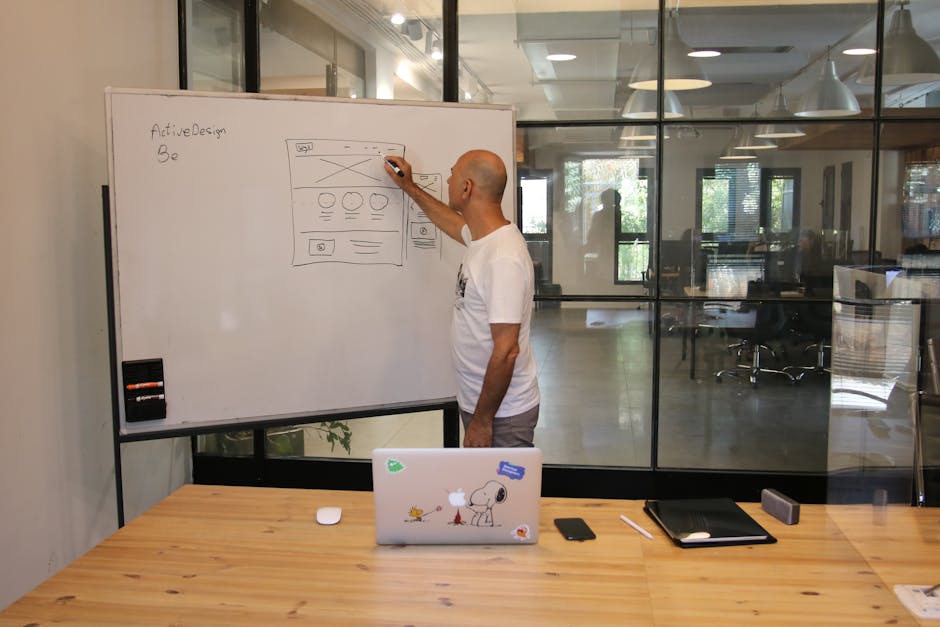
 UI/UX Design Wireframe Kit" loading="lazy" style="max-width:100%;height:auto;border-radius:8px;">
These aesthetic concerns distract from the core objective of any early‑stage design—clarifying how users will move through an experience and where information should live. A well‑crafted wireframe kit offers a disciplined, low‑fidelity environment that forces designers to focus on structure rather than ornamentation.
By stripping away decorative layers, the kit encourages a pure exploration of layout, hierarchy, and interaction flow. This article explains why such a kit is , how it reduces cognitive load, and how to integrate it effectively into your workflow. --- ### 1.
The Cognitive Cost of Early Aesthetic Decisions When a design team begins with a polished prototype, the mind is primed to evaluate visual appeal. The brain automatically searches for visual consistency, brand alignment, and pixel‑perfect spacing. While these concerns are important, they are secondary to the fundamental question: *Does the interface solve the user’s problem?
* The human brain has limited working memory. In design, that means a designer can comfortably process only a handful of visual elements at once. As soon as colour, typography, and texture enter the equation, the number of variables rises sharply. This overload forces designers to make quick, often subconscious, decisions that may not align with the product’s functional goals.
Wireframe kits remove the decorative layer, allowing designers to concentrate on the skeleton of the interface. By presenting only boxes, lines, and basic icons, the kit reduces visual noise and frees mental bandwidth for critical thinking about flow and structure.
--- ### 2. Establishing a Shared Visual Language One of the most powerful benefits of a wireframe kit is its ability to create a common language across the team. Every designer, developer, and stakeholder can instantly recognize the meaning of a rectangle, a line, or a circle without needing a legend.
This shared vocabulary turns complex diagrams into clear, concise communication tools.
Key Elements of a Standard Kit| Symbol | Typical Meaning | Example Use | |--------|-----------------|-------------| | Rectangle | Container, page, or screen | A product dashboard | | Rounded rectangle | Button or interactive element | “Submit” button | | Circle | User avatar or icon | Profile picture | | Dashed line | Divider or placeholder | Section break | | Arrow | Flow direction | From login to dashboard | By consistently applying these symbols, teams avoid misinterpretation.
Discussions shift from “What should this look like? ” to “Does this behave as intended? ” This focus on function over form accelerates decision‑making and reduces rework later. --- ### 3. From Architecture to Interaction Wireframe kits enable designers to build a logical architecture before any visual polish is applied.
The process typically follows these steps: 1.
– Review the skeleton with product owners and developers to confirm feasibility. Because the kit keeps the focus on structure, it becomes easier to spot missing steps, redundant screens, or confusing navigation paths. Early detection of such issues prevents costly redesigns once visual elements are committed.
--- ### 4. Speeding Collaboration Without Sacrificing Quality In many organizations, design, development, and product management work in silos. A wireframe kit acts as a bridge, allowing each group to contribute from the same starting point. Developers can evaluate the feasibility of proposed interactions early, while product managers can assess whether the user flow aligns with business goals.
This collaborative environment reduces the number of back‑and‑forth iterations. , because the kit is lightweight, it can be updated quickly. If a stakeholder suggests a new feature, a designer can add a new rectangle or arrow in seconds. This flexibility keeps the project moving forward even when requirements evolve.
--- ### 5. Integrating the Kit into Your Design Workflow Below is a practical workflow that incorporates a wireframe kit from concept to high‑fidelity prototype: | Phase | Activities | Tools | |-------|------------|-------| | Discovery | User research, persona creation | Interviews, surveys | | Ideation | Sketching, brainstorming | Paper, whiteboard | | Wireframing | Building low‑fidelity prototypes | Sketch, Figma, Adobe XD | | Validation | User testing, stakeholder review | InVision, Marvel | | High‑fidelity | Adding visual design, branding | Figma, Sketch, Photoshop | | Handoff | Spec sheets, asset export | Zeplin, Figma Inspect | During the wireframing phase, the kit should be the primary source of visual elements.
Once the structure is locked, designers can layer on typography, colour, and imagery in the next stage. --- ### 6. Common Pitfalls and How to Avoid Them | Pitfall | Why It Happens | Mitigation | |---------|----------------|------------| |
Adding colour too early | Designers want to preview brand look | Use the kit’s monochrome mode until structure is approved | | Over‑complicating symbols | Trying to capture every nuance | Stick to the core symbols; add details later | | Skipping user testing | Assuming structure is correct | Conduct quick usability tests with paper or digital wireframes | | Ignoring developer constraints | Failing to consider technical feasibility | Involve developers during the validation stage | By staying vigilant about these pitfalls, teams can preserve the integrity of the wireframe process and reap its full benefits. --- ### 7. Real‑World Success Stories Case Study 1 – E‑commerce PlatformA mid‑size online retailer needed to overhaul its checkout flow. The design team used a wireframe kit to map out every step, from cart review to payment. Early identification of a redundant “order summary” screen saved the team a full sprint of redesign. The final product saw a 15% reduction in cart abandonment.
Case Study 2 – SaaS DashboardA software‑as‑a‑service company launched a new analytics dashboard. The team began with a wireframe kit to determine how data visualizations, filters, and settings should be arranged. By keeping the focus on information hierarchy, they avoided cluttered layouts that could overwhelm users.
The dashboard received positive feedback for its navigation. --- ### 8. Choosing the Right Kit for Your Team There are many wireframe kits available, ranging from free, community‑built libraries to premium, commercially licensed collections. When selecting a kit, consider the following criteria: -
Consistency with Design System – Does the kit align with your brand’s visual guidelines? - Ease of Use – Can designers quickly import and manipulate symbols? - Compatibility – Does it work with your preferred design software? - – Will it support complex projects as your product grows? Some popular options include: - Figma Community Libraries – Free, collaborative, and constantly updated. - Adobe XD UI Kits – Deep integration with Adobe’s . - Sketch Libraries – Extensive symbol libraries and plugins. - Axure RP Libraries – Ideal for high‑interaction prototypes. Ultimately, the best kit is one that feels to your team and integrates smoothly into your existing tools. --- ### 9. Measuring Success To ensure the wireframe kit is delivering value, track the following metrics: - Design Iteration Count – Number of revisions needed before approval. - Time to First Review – Duration from concept to stakeholder feedback. - Defect Density – Issues found during development that stem from design flaws. - User Satisfaction – Feedback from usability tests focused on navigation and flow. Improved scores across these metrics indicate that the kit is effectively reducing cognitive load and accelerating the design cycle. --- ### 10. Final Thoughts A UI/UX wireframe kit is more than a set of reusable symbols; it is a disciplined approach to early‑stage design that keeps teams focused on what truly matters: how users interact with a product. By removing unnecessary visual complexity, the kit helps designers think strategically, collaborate efficiently, and deliver interfaces that solve real problems. Whether you are a solo freelancer or part of a large organisation, integrating a wireframe kit into your workflow can transform the way you build digital experiences. Start with a simple set of symbols, iterate rapidly, and let the structure guide the aesthetic choices that follow. The result will be cleaner, faster, and more user‑centric design work that stands the test of time.Frequently Asked Questions About Ui/Ux Design Wireframe Kit
What is Ui/Ux Design Wireframe Kit?
Ui/Ux Design Wireframe Kit is best understood as a practical, results-focused subject. Start with the fundamentals covered , apply them consistently, and measure your progress with real data over time.
How do beginners get started with Ui/Ux Design Wireframe Kit?
Beginners should focus on one clear goal, follow a proven step-by-step routine, avoid the common beginner mistakes listed above, and build a simple daily or weekly habit around ui/ux design wireframe kit.
What results can you realistically expect?
With consistent effort, most people see early progress within a few weeks. The key is choosing the right strategy, tracking what actually works, and improving steadily instead of chasing quick fixes.
Comments
Post a Comment