
This guide explains personalized ai fitness trainer app subscription in practical, easy-to-apply steps. *By [Senior Journalist’s Name]* --- ### 1. Introduction The fitness‑technology market has moved far beyond static video libraries and generic workout calendars. Modern consumers expect an interface that learns from their daily habits, reacts to their progress, and adapts to the inevitable fluctuations of life—whether a sudden travel schedule, an injury, or a shift in personal goals.
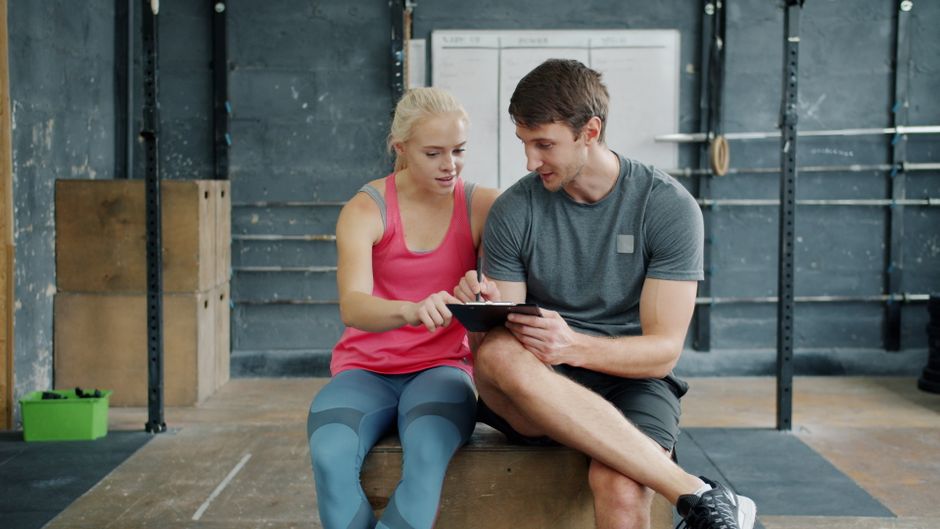
 Personalized AI Fitness Trainer App Subscription" loading="lazy" style="max-width:100%;height:auto;border-radius:8px;">
A subscription‑based app that couples artificial intelligence with exercise science can meet those expectations, delivering a truly individualized coaching experience. This report examines the mechanics behind such a product, outlines a practical roadmap for developers, and highlights the business and ethical considerations that accompany a data‑intensive service.
### 2. How AI Shapes Personal Training #### 2. 1. Data intake and baseline assessment The first interaction typically involves a questionnaire that captures age, gender, height, weight, activity history, and any medical constraints. Beyond these basics, the app may request recent heart‑rate trends, sleep patterns, and nutrition logs, which can be imported from wearable devices or manual entry.
This information establishes a baseline from which the algorithm can generate an initial program. #### 2. 2. Continuous learning loop Unlike a static plan, an AI‑driven system updates its recommendations after each workout. Sensors record metrics such as repetitions, range of motion, perceived exertion, and heart‑rate zones.
The algorithm compares these inputs against the user’s goals—strength, endurance, mobility, or weight management—and adjusts variables like load, volume, rest intervals, and exercise selection. Over time, the model builds a personalized profile that reflects both physiological adaptation and behavioral tendencies.
#### 2. 3. Context‑aware recommendations Real‑world constraints are factored into the decision‑making process. If the user’s calendar shows a long travel day, the app may suggest a short, equipment‑free circuit. If a joint complaint surfaces, the system can replace high‑impact moves with low‑stress alternatives.
By integrating calendar data, weather forecasts, and even location‑based gym availability, the service stays relevant to the user’s day‑to‑day reality. ### 3. Subscription Structures #### 3. 1. Tiered access A common model offers three levels: | Tier | Core offering | Added value | |------|---------------|------------| |
Basic | Personalized workout plans, weekly progress summaries | None | | Premium | Real‑time form feedback, nutrition guidance, integration with multiple wearables | Access to a library of specialized programs (e.g., marathon prep, post‑partum recovery) | | Pro| Direct messaging with human coaches, advanced analytics dashboards, early access to new features | Priority support and exclusive community events | The tiered approach allows users to test the platform risk‑free while providing clear pathways for upsell. #### 3.
2. Pricing cadence Monthly, quarterly, and annual billing cycles accommodate varying commitment levels. Annual plans typically include a discount of 15–20 % to incentivize longer‑term relationships. Transparent pricing—clearly displayed before checkout—helps reduce churn caused by surprise charges.
#### 3. 3. Free trial and onboarding A 7‑day trial that unlocks premium features can convert curious browsers into paying members. During the trial, an onboarding wizard guides the user through profile creation, device pairing, and a brief tutorial on interpreting AI feedback.
A smooth first‑week experience is often the decisive factor in subscription conversion. ### 4. User Experience Design #### 4. 1. Simplicity without sacrifice The interface must balance depth of information with visual clarity. Dashboard widgets should surface the most relevant data: today’s workout, upcoming sessions, and a quick glance at recovery status.
Advanced analytics—such as VO₂ max trends or muscle‑group fatigue scores—can be tucked behind expandable panels, keeping the main screen uncluttered for newcomers. #### 4. 2. Feedback mechanisms Instantaneous cues, like vibration alerts for maintaining target heart‑rate zones or on‑screen prompts correcting form, reinforce proper technique.
Audio cues can be customized (e. g. , encouraging voice, neutral tone) to suit personal preference. #### 4. 3. Community features While the core product is a private coaching relationship, optional community spaces foster accountability. Leaderboards, challenge groups, and shared progress stories encourage social interaction without compromising individual data privacy.
### 5. Integration with Wearables and Third‑Party Services A API layer enables data flow from popular wearables (e. g. , Apple Watch, Garmin, Fitbit) and nutrition trackers (MyFitnessPal, Cronometer). The app should support industry‑standard protocols such as HealthKit and Google Fit, allowing users to consolidate health metrics in one place.
For developers, a integration architecture reduces maintenance overhead when new devices enter the market. ### 6. Measuring Success #### 6. 1. Objective performance indicators Key performance indicators (KPIs) include: -
– average number of feature interactions per session (e. g. , nutrition logging, form review). #### 6. 2. Subjective satisfaction metrics Post‑session surveys capture perceived effort, enjoyment, and confidence in the AI’s suggestions. Net promoter score (NPS) provides a high‑level view of brand advocacy.
#### 6. 3. Data‑driven refinements By correlating objective outcomes with user‑reported satisfaction, product teams can identify friction points. For instance, if a subset of users reports “overly aggressive progression,” the algorithm’s escalation parameters can be softened for that cohort.
### 7. Data Privacy and Security #### 7. 1. Regulatory compliance Fitness data falls under health‑information regulations in many jurisdictions (e. g. , HIPAA in the United States, GDPR in Europe). The app must encrypt data at rest and in transit, provide clear consent dialogs, and allow users to export or delete their records on demand.
#### 7. 2. Anonymized analytics Aggregated, de‑identified datasets can inform product improvements and research collaborations without exposing personal identifiers. Implementing differential privacy techniques further reduces re‑identification risk. #### 7. 3.
Transparent data usage A concise privacy policy—written in plain language—explains what data is collected, how it is processed, and who (if anyone) it is shared with. Regular audits and third‑party security certifications (e. g. , ISO 27001) reinforce trust. ### 8.
Business Considerations #### 8. 1. Market positioning The app should be positioned as a “personal coach in the pocket,” differentiating itself from generic video libraries by emphasizing adaptive programming and data‑backed results. Partnerships with gyms, physiotherapy clinics, or corporate wellness programs can broaden reach.
#### 8. 2. Cost structure Major cost drivers include cloud compute for model training, licensing of exercise‑science content, and ongoing device‑integration maintenance. Economies of scale are achieved by containerized inference services that auto‑scale based on active users.
#### 8. 3. Monetization beyond subscription Supplementary revenue streams may include: -
In‑app purchases – specialized training modules (e.g., Olympic lifting, yoga flow). - Affiliate sales – recommended equipment or nutrition products. - White‑label licensing– allowing other brands to embed the AI engine under their own branding. ### 9. Ethical Design #### 9. 1. Avoiding bias Training data must reflect diverse body types, ages, and fitness levels. Continuous monitoring for disparate outcomes ensures the algorithm does not inadvertently favor one demographic over another.
#### 9. 2. Promoting safe progression The system should flag any rapid increases in load or intensity that exceed medically accepted thresholds. In such cases, it can suggest a deload week or direct the user to consult a professional. #### 9. 3. Transparency of recommendations When the AI suggests a change—such as swapping a squat for a leg press—the app should provide a brief rationale (e.
g. , “current knee discomfort detected”). This builds user confidence and demystifies the decision‑making process. ### 10. Development Roadmap | Phase | Objectives | Deliverables | |-------|------------|--------------| |
1. Research & Validation | Conduct user interviews, benchmark competitor features, define success metrics. | Personas, feature matrix, KPI framework. | | 2. MVP Construction | Build core workout‑generation engine, basic UI, and single‑device integration (e.g., Apple Health). | Beta‑ready app, internal testing plan. | | 3. Pilot Launch | Release to a limited user group, gather feedback on algorithm accuracy and UI flow. | Refined model, updated onboarding, privacy policy draft. | | 4. Full‑Scale Rollout | Implement tiered subscription, expand device support, launch marketing campaign. | Production app, payment gateway, support infrastructure. | | 5. Continuous Improvement | Add advanced analytics, community features, and AI explainability tools. | Version 2.0 release, partnership agreements. | Each phase includes a risk‑assessment checklist—covering data security, model drift, and —to ensure the product remains as the user base expands. ### 11. Looking Ahead The convergence of sensor technology, natural‑language processing, and advanced modeling promises ever‑more nuanced coaching experiences. While the current generation focuses on physical training, future updates may incorporate mental‑wellness modules, stress‑recovery recommendations, and adaptive nutrition plans—all driven by the same user‑centric data foundation. Developers who embed flexibility into their architecture now will be well positioned to incorporate these capabilities without disruptive overhauls. ### 12. Conclusion A subscription‑based AI fitness trainer can transform the way individuals approach health and performance. By delivering a program that learns, reacts, and respects the complexities of daily life, the service bridges the gap between generic advice and truly personal coaching. Success hinges on a blend of sound algorithmic design, user experience, rigorous privacy safeguards, and clear business strategy. When these elements align, the result is a digital companion that motivates, informs, and evolves alongside its users—turning the promise of personalized training into everyday reality.Frequently Asked Questions About Personalized Ai Fitness Trainer App Subscription
What is Personalized Ai Fitness Trainer App Subscription?
Personalized Ai Fitness Trainer App Subscription is best understood as a practical, results-focused subject. Start with the fundamentals covered , apply them consistently, and measure your progress with real data over time.
How do beginners get started with Personalized Ai Fitness Trainer App Subscription?
Beginners should focus on one clear goal, follow a proven step-by-step routine, avoid the common beginner mistakes listed above, and build a simple daily or weekly habit around personalized ai fitness trainer app subscription.
What results can you realistically expect?
With consistent effort, most people see early progress within a few weeks. The key is choosing the right strategy, tracking what actually works, and improving steadily instead of chasing quick fixes.
Comments
Post a Comment